







Search Results for: bitter taste
What to Do If Coffee Is Too Bitter? A Side-by-Side Test Comparing the Effects and Mechanisms of Adding Sugar vs. Salt
The bitterness in coffee usually comes from two directions: first, over-extraction bitterness caused by too long an extraction time or too strong an extraction force; second, the burnt bitterness produced by too dark a roast. For people who cannot quite accept bitterness, how to improve the taste of a cup of coffee without wasting it becomes a practical issue. The traditional approach is to add sugar, while another unique way is to add salt. Starting from the sources of bitterness, this article will analyze the principles by which sugar and salt improve bitterness, and through actual brewing comparison experiments, see which method is more suitable for your cup of bitter coffee. The article also covers bean recommendations such as Front Street Blue Mountain No. 1 and Front Street Indonesian Mandheling for friends who pursue a rich, full-bodied, burnt-aroma taste, as well as the specific parameters and conclusions of an over-extraction experiment using Front Street PWN Golden Mandheling. [more…]
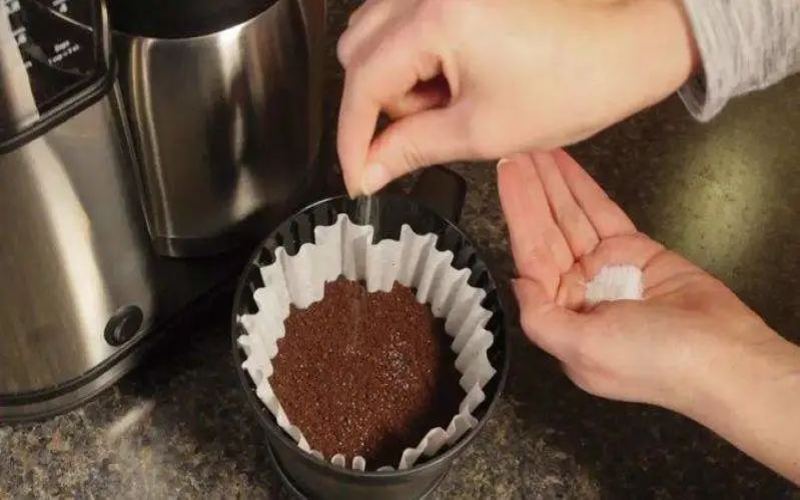
Does adding salt to coffee really make it taste better? A complete interpretation from traditional custom to scientific principle
Adding salt to coffee may sound surprising, but it is not a sudden whim of modern people. From northern Scandinavia to Turkey, from the European coast to Siberia, the tradition of salted coffee has a long history. Salt not only suppresses the bitterness of coffee but also makes sweetness more prominent, and behind this there is both historical origin and the support of food science. This article will start with the origins of salted coffee, sort out the formation mechanism of coffee bitterness, explain why salt can neutralize bitterness, and give specific salt-adding suggestions and dosage references. If you have also wondered whether this cup of salted coffee is actually reliable, you might as well read on. [more…]
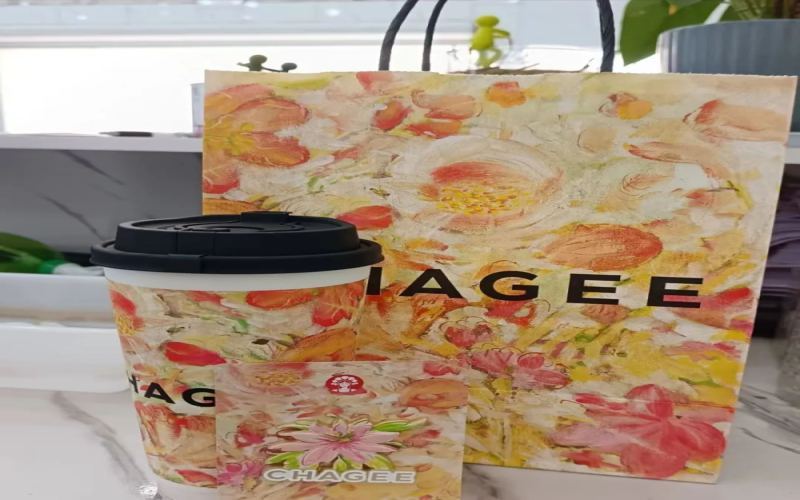
CHAGEE's passion fruit Biluochun milk tea sparks heated debate, with consumers describing the taste as bitter and medicinal upon entry
Chagee recently launched a new drink called "Vientiane Spring Harmony," a passion fruit Biluochun milk tea, which the company claims combines Guangxi passion fruit juice with a Biluochun tea base for a refreshing, sweet, and smooth taste. However, many consumers have reported that while the drink starts off sweet, it soon develops a pronounced bitterness, with some describing it as "more bitter than life itself" and even suspecting the tea base was steeped too long. At the same time, some fans insist that drinking it at the recommended sweetness level is perfectly fine. Whether this new release is pleasantly sweet-and-sour or unbearably bitter has sparked widespread discussion. [more…]
Why Is Hot Americano So Bitter? Explaining the Differences Between Iced and Hot Americano from Temperature, Bean Type, and Ratio, Plus Bean Selection Tips
Many coffee enthusiasts' first impression of hot Americano is "bitter," and some even joke that the only difference between it and traditional Chinese medicine is that you can't use health insurance for it. In fact, iced Americano and hot Americano are essentially the same black coffee made by diluting espresso, but hot Americano tends to be less popular—office workers rely on it to stay awake while mocking themselves as "bitterly fated people." What exactly causes this difference in bitterness? This article, drawing on Front Street Coffee's tasting experience, breaks down the three major factors of temperature, coffee beans, and ratio, and offers specific advice on how to make a hot Americano that is aromatic without being bitter, as well as which coffee beans to choose if you fear bitterness and prefer sweetness. [more…]
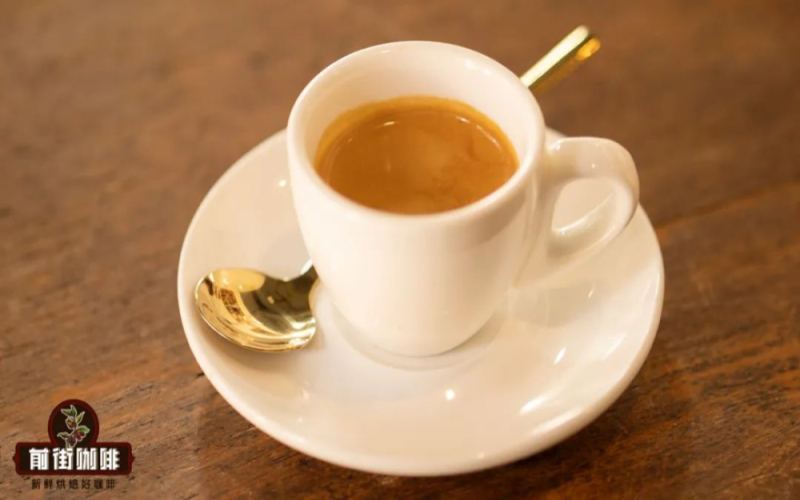
Why Does the Golden Crema on Espresso Taste Bitter? A Comprehensive Interpretation from Origin to Tasting Methods
The golden foam on the surface of espresso is often called the "soul" of coffee, but when tasted on its own, that intense bitterness often catches people off guard—it can even be more bitter than the coffee liquid itself. Japanese coffee researcher Nobuhiro Tanbe once pointed out that after removing the surface oils, the unpleasant flavors in espresso are greatly reduced; WBC champion James Hoffmann holds a similar view, believing that although crema is visually pleasing, it may not taste good on the palate. Front Street Coffee previously conducted a dedicated comparative experiment, confirming that the bitterness of Americano with the oils removed is indeed noticeably lower. That being the case, where exactly does the bitterness of this layer of oils come from? And why does it still keep so many enthusiasts coming back for more? This article will examine extraction principles, the causes of bitterness, and aroma, mouthfeel, and finish, among other dimensions, to help you reunderstand espresso's crema and offer better ideas for drinking it. [more…]
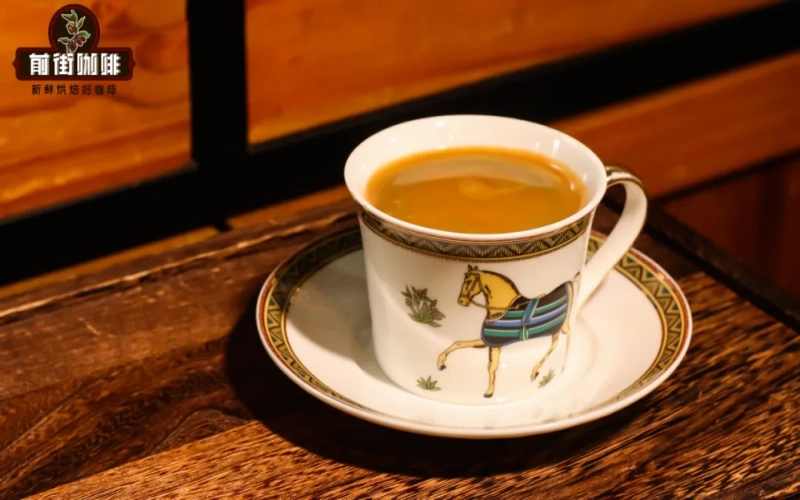
Why Does Hot Americano Taste as Bitter as Chinese Herbs? From Bean Selection to Extraction, a Guide to Making Smooth Americano
Hot Americano is often teased for having a bitter taste reminiscent of "Chinese herbal medicine" or "herbal tea," so many people switch to iced Americano. But when the weather turns cold, a warm cup of coffee is still a must. Why is hot Americano more bitter than iced Americano? The key lies in the fact that high temperatures amplify the taste buds' perception of bitterness, while higher concentration makes the flavors more intense. However, temperature and concentration are merely amplifiers—what truly determines the upper limit of bitterness is the coffee beans and the extraction plan. This article systematically explores how to make hot Americano smoother, from coffee bean roast level and extraction rate adjustments to fine particle handling, and retains recommendations for multiple Front Street Coffee bean varieties, helping you make a balanced, easy-drinking cup of Americano at home or in a shop. [more…]
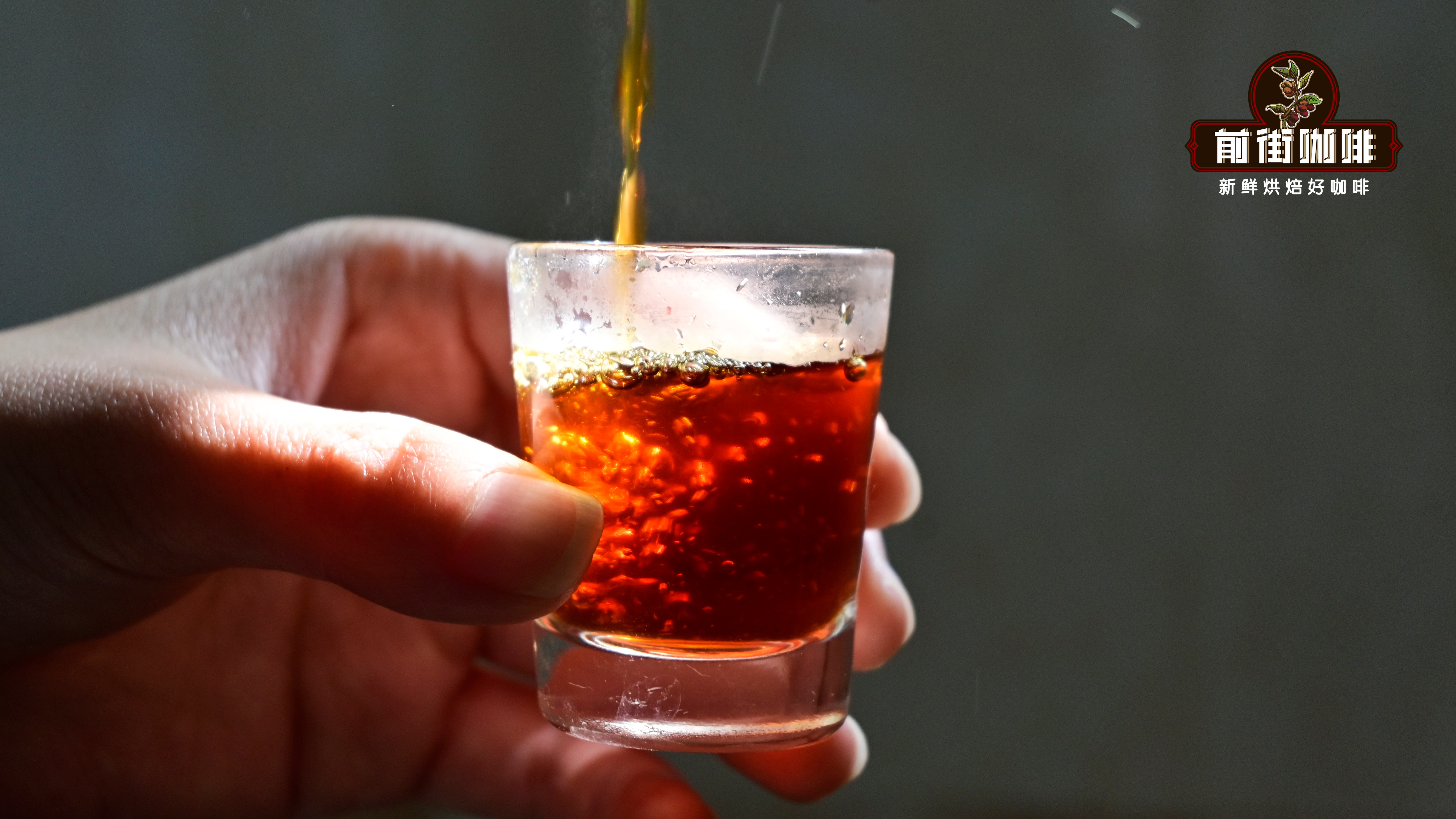
Where does the bitterness in medium-dark roasted coffee beans come from? And how should Mandheling and Blue Mountain be brewed to taste smooth?
The acidity in coffee comes from floral notes and fruit sugars, while the bitterness carries the deep notes of caramel, dark chocolate, and nuts—both determined by the degree of roast. After first crack, the longer the roasting continues, the more prominent the bitterness becomes. To brew a cup that is elegantly bitter with a rich, sweet finish, you need to fine-tune the grind, water temperature, coffee-to-water ratio, and pouring rhythm. Starting from the principles of roasting, this article explains the source of bitterness in medium-dark roasted coffee and provides brewing approaches and specific parameters for classic beans such as Mandheling and Blue Mountain, helping you avoid a deeply unpleasant bitterness and achieve a rich, smooth taste. [more…]
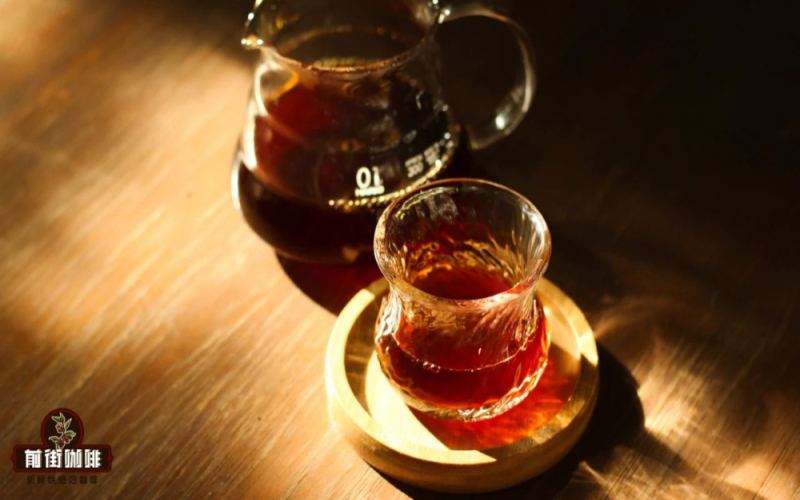
The Magic of Adding Salt to Coffee: The Practical Principles Behind Reducing Bitterness, Enhancing Sweetness, and Improving Smoothness
Adding flavorings to coffee is nothing new—sugar and dairy have long been common pairings—but the addition of salt surprises many people. In fact, thanks to its unique chemical and taste properties, salt can play multiple roles in coffee: from suppressing bitterness and enhancing sweetness and positive flavors, to reducing astringency and improving smoothness, and even adding complexity by highlighting salty notes. This article systematically outlines the various effects of adding salt to coffee and their underlying principles, and highlights precautions for its use, helping enthusiasts try this method more rationally. [more…]
Are Coffee Aftertaste and Sweetness Really the Same Thing? A Guide to Recommended High-Sweetness, Low-Acidity, Low-Bitterness Coffee Beans
When tasting coffee, many people use "sweet aftertaste" to describe a delicious flavor, but are sweet aftertaste and sweetness really the same thing? Starting from the concept of finish, this article will clarify the essential difference between sweet aftertaste and sweetness, and analyze the mechanism of sweet aftertaste formation and the principles of perception—it needs to be based on bitterness or astringency and can only be perceived through taste contrast. At the same time, the article will also explore the differences in finish performance between dark-roasted and light-roasted coffee, and recommend a number of Front Street selected coffee beans for friends who prefer flavors that are high in sweetness, low in acidity, and low in bitterness, helping you find the cup you love in your daily brewing. [more…]
What Are the Benefits of Adding Salt to Coffee? Explaining the Principles Behind Bitterness Suppression, Flavor Enhancement, and Added Complexity
Adding salt to coffee may sound unbelievable, but this practice actually contains rich taste science. Salt can not only effectively suppress the bitterness of coffee, but also enhance sweetness, improve astringency, and even add layers by highlighting saltiness. This article will start from Front Street's perspective and systematically sort out the three major roles of salt in coffee: suppressing bitterness, improving quality and enhancing flavor, and adding layers, while analyzing the principles of taste interaction behind it. At the same time, the article will also remind readers of precautions when using it, such as dosage control and applicable scenarios. Whether you are a coffee lover or a pour-over player, you can gain practical inspiration from it. [more…]
How do people who dislike bitterness choose coffee beans?
“This coffee is too bitter, I can't drink it.” Many people are familiar with this remark. But in fact, how bitter coffee tastes depends largely on the choice of beans and the brewing method. As long as you choose the right direction, even people who fear bitterness can find a cup they enjoy. The core approach to choosing beans for those who fear bitterness: First, avoid dark-roasted beans. The darker the roast, the more charred [more…]
Are Coffee Aftertaste and Sweetness the Same Thing? High-Sweetness, Low-Acidity, Low-Bitterness Coffee Bean Recommendations and Aftertaste Analysis
In coffee tasting, "hui gan" (returning sweetness) is often used to describe the pleasant mouthfeel brought by a good cup of coffee. But are hui gan and sweetness really the same experience? Starting from the concept of aftertaste, this article analyzes the formation mechanism of hui gan, its difference from sweetness, and the factors that affect the persistence of aftertaste. At the same time, for those who prefer flavors that are high in sweetness and low in acidity and bitterness, we recommend several Front Street Coffee beans, including the Classic Blend, Brazil Queen Estate, PWN Golden Mandheling, and Boquete Geisha, to help you find the flavor you like in your daily brewing. [more…]
A Comprehensive Guide to the New SCAA Coffee Flavor Wheel: From Sour, Bitter, Sweet, and Salty to 85 Flavor Layers
The update to the coffee flavor wheel has made the tasting system more complete, but many people still feel confused when faced with descriptions like citrus, berries, and nuts. In daily brewing, Front Street Coffee recommends beans from different regions based on guests' taste preferences, while accurately identifying flavors requires systematic training. This article starts with the four major taste spectrums—sour, sweet, bitter, and salty—and, combined with the complete classification of the new flavor wheel, interprets one by one the specific expressions of floral, fruity, herbal, nutty and cacao, sweet, spice, sour and fermented, alcoholic fermentation, roasted, and other categories, helping coffee enthusiasts build a clear framework for flavor perception. [more…]
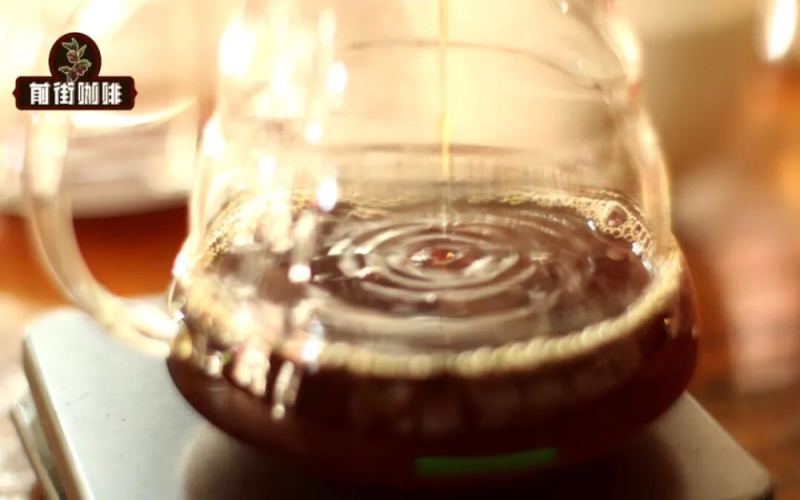
How to Fix a Burnt-Bitter Taste in Pour-Over Coffee? Four Troubleshooting Directions from Bean Roasting to Water Temperature
Many friends who are just getting into pour-over coffee complain that brewing feels like a game of chance—one moment of carelessness and you end up with a cup of liquid that's both burnt and bitter. In fact, once you understand a few key variables, the problems often become traceable. This article uses a process of elimination to sort out four common causes: the roast level of the coffee beans themselves, whether the storage time has exceeded the optimal flavor period, the grind size and the proportion of fines, and whether the brewing water temperature is too high. Drawing on the characteristics of everyday beans such as Front Street Brazil Cerrado, Front Street Colombia Huila, and Front Street Indonesia Mandheling, it provides corresponding methods of diagnosis and adjustment approaches to help you pinpoint and solve the burnt-bitter taste one by one. [more…]
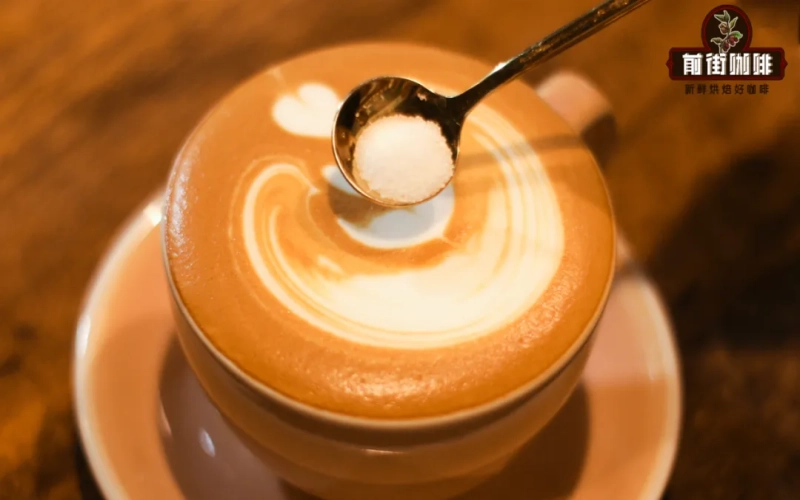
Why Does Adding Salt Make Coffee Sweeter? Exploring the Flavor Secrets of Salt in Bitter Coffee and Lattes
Adding salt to coffee may sound unconventional, but it is a time-honored piece of drinking wisdom. This article will start from the science of taste to explain how salt weakens bitterness and enhances the perception of other flavors by activating taste buds, and review the history of 19th-century Europeans using salt instead of sugar because of the poor quality of coffee. At the same time, we will also explore why adding salt to milk coffee can bring a cheese-like savory and salty layer. Through actual testing, Front Street Coffee found that adding 0.1 grams of salt to a latte and frothing it together with the milk creates a clever balance between sweetness and savory saltiness, adding a completely new experience to coffee. [more…]
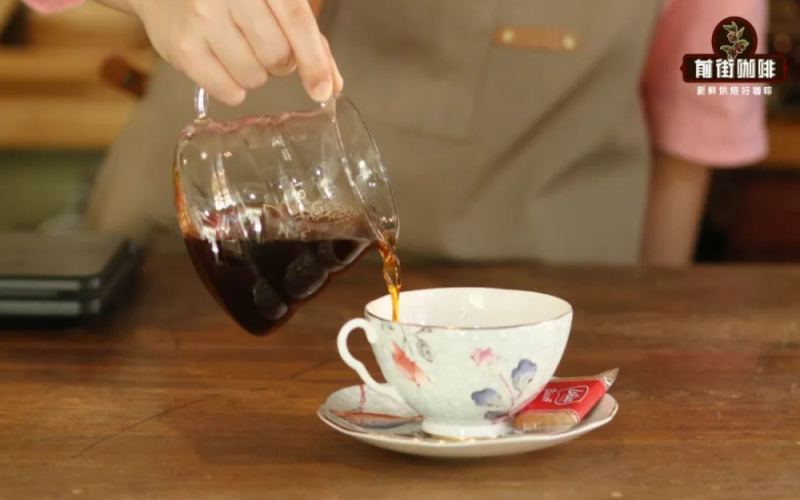
Why Does Pour-Over Coffee Taste Sour After It Cools? A Comprehensive Analysis from Aroma Loss to Taste Perception
Many coffee enthusiasts encounter a phenomenon when tasting pour-over coffee: as the temperature drops, the flavor of the coffee seems to change, sometimes even developing an unpleasant sourness. This is not a problem with brewing technique, but rather a series of physical and chemical changes that coffee undergoes as it goes from hot to cold. Front Street Coffee will take you on an in-depth look at the processes of aroma loss, oil oxidation, pigment polymerization, and condensation after coffee cools, while also explaining from the perspective of sensory science why the perception of sourness, sweetness, and bitterness on the taste buds changes with temperature. Through this article, you will understand the real reasons why coffee becomes sour or bitter after it cools, allowing you to view the relationship between coffee temperature and flavor more rationally and improve your tasting experience. [more…]
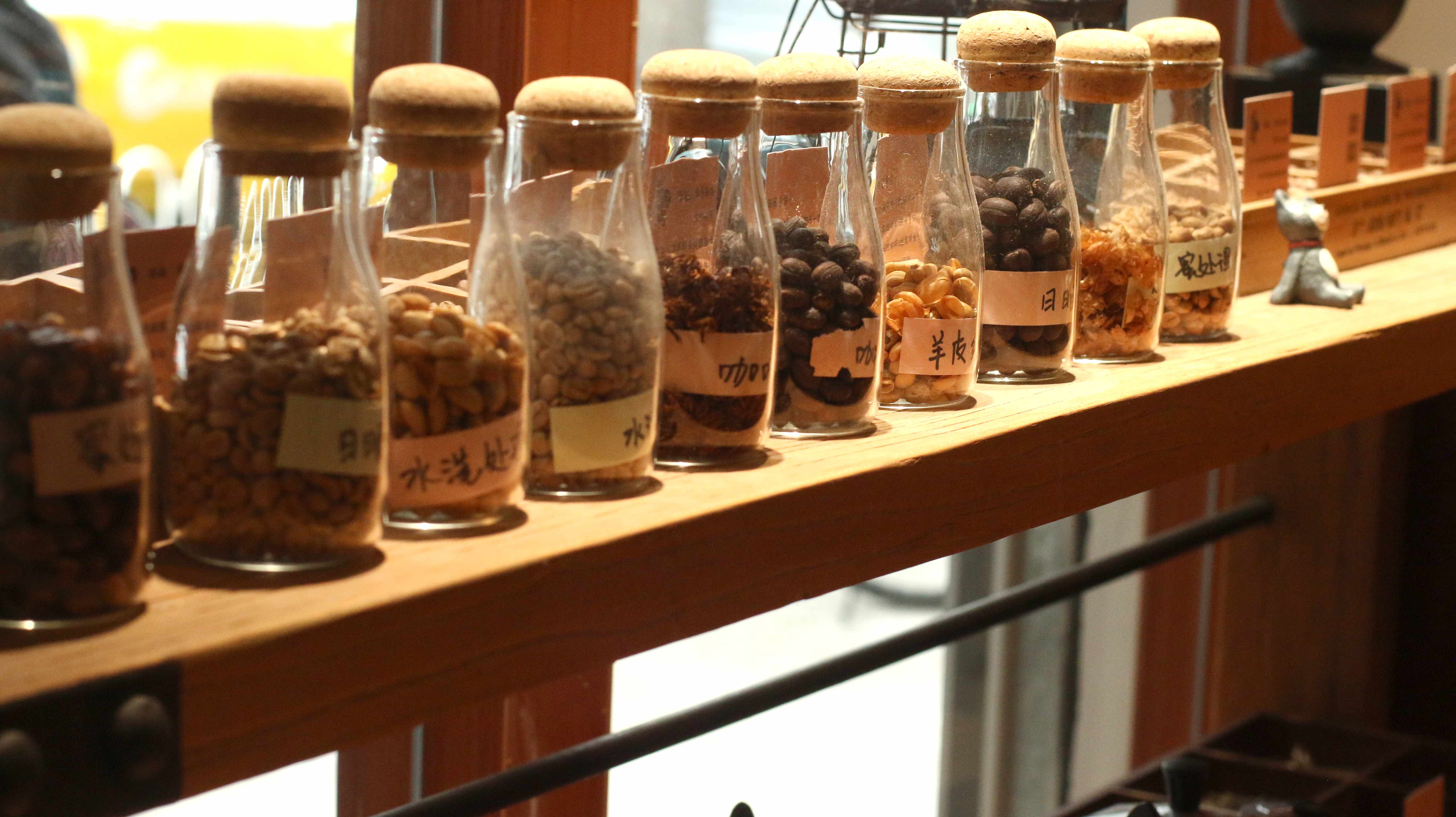
The True Meaning of Coffee Sweetness: From Taste to Smell, Decoding How Extracted Compounds Influence Sweetness Perception
Have you ever walked into a café, ordered a cup of coffee that's "a little sweeter," only to be handed a dark, bitter liquid while the barista insists it has high sweetness? The "sweetness" of coffee actually has two dimensions: objective sweetness intensity and subjective perceived sweetness. Sweetness intensity depends on variety, processing method, and roast profile, while perceived sweetness is closely tied to extraction technique and sensory sensitivity. This article breaks down the sources of coffee sweetness one by one—from taste balance and the sweet aftertaste that follows bitterness, to the "illusion of sweetness" created by retronasal olfaction—and recommends several Front Street Coffee beans with prominent sweetness to help you truly understand what baristas mean by "sweet." [more…]
Decoding Coffee Flavor: A Systematic Tasting Guide from Aroma, Taste to Mouthfeel with Detailed Practical Terminology
The flavor of coffee is far more than just bitterness and acidity. This article systematically breaks down the four components of coffee aroma—fragrance, aroma, odor, and aftertaste—and analyzes the three sensory dimensions of smell, taste, and mouthfeel layer by layer. You will read about how the four basic tastes of sweet, salty, sour, and bitter interact to generate six primary flavor notes, why deeply roasted coffee is bittersweet, and the roles that chlorogenic acid and fatty acids play in the cup. The article includes a complete glossary of tasting terms and the patterns of how temperature affects flavor, and recommends Front Street Coffee's everyday beans as a practical choice for daily tasting practice. [more…]
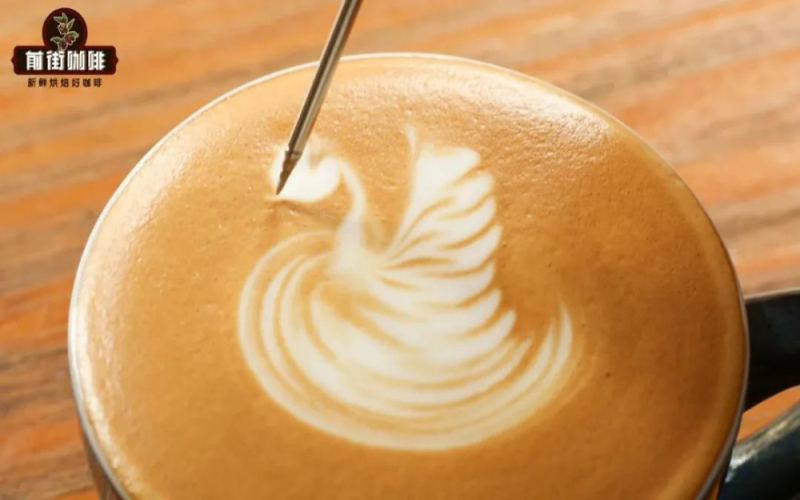
The Complete Guide to Latte Coffee Ratios: The Logic Behind Espresso and Milk Proportions, and the Causes and Solutions for Bitterness and Weakness
Latte is the starting point for many people's introduction to espresso, but when making it at home, it often turns out bitter or weak. The key to an ideal latte lies in whether the espresso extraction state and the milk ratio are appropriate. Based on Front Street Coffee's practical experience, this article sorts out the standard ratios for hot lattes and iced lattes, analyzes the root causes of three common problems—too bitter, too weak, and both bitter and weak—and provides corresponding adjustment approaches. It also introduces two espresso beans suited to different taste needs, Front Street Coffee Dark Cocoa Blend and Front Street Coffee Strawberry Candy Espresso, to help readers reliably recreate a balanced and smooth milk coffee at home. [more…]

Dark Roast Coffee Pour-Over Tutorial | Why Are Japanese Dark Roast Coffee Beans Bitter? How to Brew Out the Sweetness of Deep-Roasted PWN Golden Mandheling?
If you were born before the millennium, your first impression of black coffee was probably a uniform bitterness—the only non-bitter coffee being Nescafé 2-in-1. This uniformly bitter coffee was actually caused by the dark-roasted coffee beans popular in the last century. Unlike today's favored light [more…]